繁体中文
繁体中文 English
 简体中文
简体中文  Esperanto
  Afrikaans
  Català
  Cymraeg
  Galego
  Latviešu
  icelandic
  ייִדיש
  беларускі
  Hrvatski
  Kreyòl ayisyen
  Shqiptar
  Malti
Malti  lugha ya Kiswahili
  አማርኛ
አማርኛ  Bosanski
  Frysk
Frysk  ភាសាខ្មែរ
  ქართული
  ગુજરાતી
  Hausa
Hausa  Кыргыз тили
  ಕನ್ನಡ
ಕನ್ನಡ  Corsa
Corsa  Kurdî
Kurdî  മലയാളം
  Maori
Maori  Монгол хэл
  Hmong
Hmong  IsiXhosa
  Zulu
Zulu  Punjabi
  پښتو
پښتو  Chichewa
  Samoa
Samoa  Sesotho
  සිංහල
සිංහල  Gàidhlig
  Cebuano
  Somali
  Тоҷикӣ
  O'zbek
  Hawaiian
  سنڌي
سنڌي  Shinra
  Հայերեն
  Igbo
Igbo  Sundanese
  Lëtzebuergesch
  Malagasy
  Yoruba
  Español
  Português
  русский
  Français
  日本語
日本語  Deutsch
  tiếng Việt
  Italiano
  Nederlands
  ภาษาไทย
  Polski
  한국어
한국어  Svenska
  magyar
  Malay
Malay  বাংলা ভাষার
  Dansk
Dansk  Suomi
Suomi  हिन्दी
  Pilipino
  Türkçe
  Gaeilge
  العربية
  Indonesia
  Norsk
Norsk  تمل
تمل  český
český  ελληνικά
  український
  Javanese
  فارسی
فارسی  தமிழ்
தமிழ்  తెలుగు
  नेपाली
  Burmese
  български
  ລາວ
ລາວ  Latine
  Қазақша
  Euskal
  Azərbaycan
  Slovenský jazyk
  Македонски
  Lietuvos
  Eesti Keel
  Română
  Slovenski
  मराठी
मराठी  Srpski језик

抽象的
採礦、水泥、鋼鐵、化肥和港口作業中的帶式輸送機面臨持續的磨料和腐蝕磨損。這陶瓷輸送托輥已成為減少皮帶損壞、延長維修間隔和保持穩定物料流的變革性組件。本指南研究了導致傳統滾筒退化的磨損機制,詳細介紹了使氧化鋁陶瓷外殼特別適合高磨損環境的材料特性,將陶瓷性能與鋼和聚合物替代品進行比較,並為尋求在散裝處理系統的整個生命週期中優化輸送機可靠性的工程師提供選擇、安裝和維護指南。
為什麼傳統輸送機托輥在磨損負載下會失效?
Conveyor idlers are the most numerous rotating components in any bulk material handling system. A single overland conveyor may carry thousands of rollers along its length, each supporting the belt and its cargo through continuous rotation. When those rollers deteriorate, the consequences extend far beyond the idler itself. Belt misalignment, increased friction, material spillage, structural fatigue, and unplanned shutdowns follow in sequence, and each stage of degradation accelerates the next.
The root cause of premature idler failure in abrasive applications is a combination of mechanical wear and environmental attack. Steel idler shells, even those with protective coatings, gradually lose material as hard particles such as coal, ore, clinker, and slag pass over their surfaces. As the shell wears unevenly, it can develop a sharp edge that acts like a blade against the belt bottom cover. Once belt damage begins, the cost of remediation escalates rapidly, and the conveyor's availability suffers.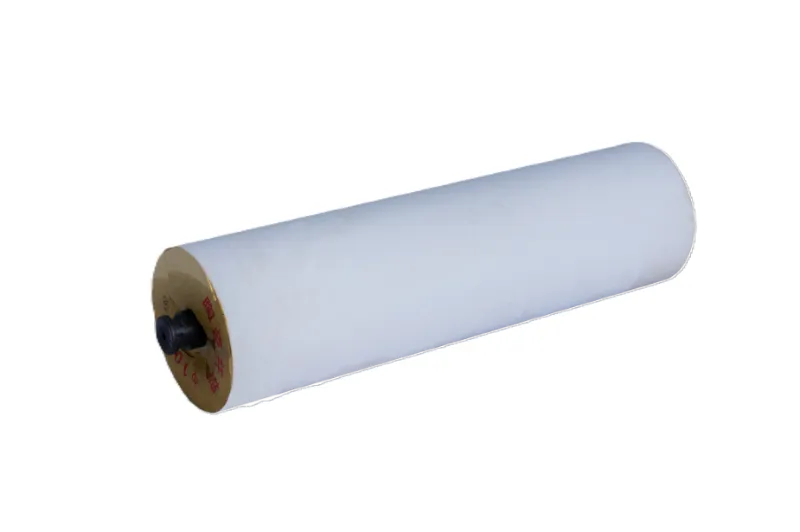
惡劣環境下惰輪退化的三種模式
- 磨料殼磨損:夾帶在皮帶和惰輪表面之間的堅硬礦物顆粒充當研磨介質,逐漸使輥壁變薄並產生表面不規則性,從而將應力傳遞到皮帶上。
- 腐蝕攻擊:煤炭運輸、化學肥料生產和沿海港口作業中常見的酸性或鹼性水分會腐蝕鋼材表面,加速材料損失並削弱結構完整性。
- 軸承污染:灰塵通過不充分的密封件進入會導致潤滑劑降解、軸承卡死和惰輪完全故障。卡住的惰輪不再旋轉,成為固定磨損點,迅速損壞皮帶。
Each failure mode compounds the others. A corroded surface is more susceptible to abrasive loss. A worn surface generates more dust that infiltrates bearings. A seized bearing transforms the idler from a support element into a destructive obstruction. Breaking this cycle requires a material solution that addresses all three vectors simultaneously rather than treating them as separate maintenance problems.
皮帶損壞的隱性成本
Engineers often evaluate idlers as a consumable cost line, but the true economic weight sits with the belt. A conveyor belt represents one of the largest single capital items in a bulk handling system, and its replacement requires extended downtime, heavy lifting equipment, and skilled splicing labor. When a worn idler shell develops a sharp edge, it removes belt cover material at an accelerating rate. The resulting belt damage is rarely visible until the cover is compromised enough to expose the carcass.
In high-tonnage operations, a belt that would otherwise deliver a decade of service can fail in half that time when idler-induced wear is not controlled. This is why idler selection should be treated as a belt protection decision, not simply a roller procurement decision. The surface condition of every idler in the carry run directly influences how long the belt survives.
載重分佈和滾子幾何形狀
Idler failure is not purely a materials question. Trough geometry, spacing, and alignment determine how load is distributed across the belt and how much contact pressure each roller experiences. When idlers are spaced too widely or when a roller sits lower than its neighbors, the belt drapes into the gap, increasing localized stress and accelerating wear on both the belt and the affected roller.
- 正確的槽角:將槽角與材料的休止角相匹配可防止貨物移動並減少外輥上的邊緣負載。
- 一致的滾輪高度:即使滾筒位置低幾毫米,也會成為磨損焦點,吸收皮帶上不成比例的負荷。
- 適當的間距:托輥間距必須考慮皮帶重量、材料重量以及使皮帶保持在可接受的應力閾值內的下垂限制。
- 對齊管教:不成方形的輸送機框架迫使皮帶在惰輪凸緣上運行,從而在兩側產生摩擦並過早失效。
是什麼讓陶瓷輸送機托輥耐磨損、耐腐蝕?
Ceramic idler shells are manufactured from aluminum oxide, a material with a hardness approaching that of diamond on the Mohs scale. The ceramic is formed through high-temperature sintering, producing a dense, non-porous surface that resists both mechanical abrasion and chemical attack. Unlike steel, which relies on surface coatings for protection, the ceramic roller's wear resistance is intrinsic to its bulk material, so it cannot be scratched through to a softer substrate.
定義性能的材料特性
| 財產 | 氧化鋁陶瓷 | 碳鋼 | 超高分子量聚乙烯 |
|---|---|---|---|
| 莫氏硬度 | 7年級 | 4 至 5 | 2 至 3 |
| 耐腐蝕 | 優異的抗酸、鹼、鹽性能 | 無塗層較差 | 好的 |
| 表面附著力 | 很低 | 中到高 | 低的 |
| 熱穩定性 | 高達 200 °C | 受塗層限制 | 80℃以下 |
| 磨損壽命指數 | 是鋼的2~3倍 | 參考基線 | 鋼的1.5至2倍 |
| 衝擊韌性 | 緩和 | 高的 | 高的 |
The table above highlights a critical distinction. Ceramic does not merely outperform steel in a single dimension. It delivers a combination of hardness, chemical inertness, and surface smoothness that no metallic or polymer alternative matches simultaneously. The ceramic surface also forms a stable oxide film that discourages material adhesion, so sticky or moist cargo does not build up on the roller face and throw the belt out of alignment.
表面工程和材料釋放
Adhesion is an underappreciated driver of idler failure. In applications handling clay, wet coal, or mineral concentrates, material can cling to steel roller surfaces, forming a lumpy layer that changes the effective diameter of the idler. A roller with a built-up lump rotates unevenly, induces belt vibration, and can force the belt to track to one side. Operators often respond by increasing tension or adjusting training idlers, which masks the symptom rather than resolving it.
The low surface energy of a polished ceramic shell reduces this adhesion dramatically. Material that would otherwise stick to a steel surface sheds under gravity and the natural flexing of the belt. Over time, this means fewer manual cleaning interventions, more consistent belt tracking, and lower drive power consumption because the belt is not being lifted over accumulated debris.
陶瓷滾子的軸承和密封設計
A ceramic shell is only as good as the bearing assembly inside it. High-quality ceramic rollers use precision-machined bearing housings, labyrinth seals, and in some designs multiple sealing stages to exclude dust and retain grease. The bearing cavity is typically filled with a high-grade lithium or synthetic lubricant chosen for the operating temperature range.
- 迷宮式密封:非接觸式密封路徑形成一條曲折的路徑,可阻擋灰塵顆粒,同時允許軸自由旋轉。
- 唇形密封備份:輔助接觸式密封件在灰塵極為嚴重的條件下提供了最後的屏障。
- 油脂保持力:正確包裝的軸承會形成一層潤滑油膜,防止金屬與金屬的接觸和熱量累積。
- 軸材質:耐腐蝕軸鋼可防止軸生鏽和在軸承孔內卡住。
陶瓷托輥與鋼製托輥和複合材料托輥相比如何?
選擇惰輪材料需要根據應用的具體要求平衡多種性能標準。以下的比較是基於採礦、水泥和港口裝卸等重型作業的現場觀察,其中惰輪的可靠性直接影響系統可用性和維護工作量。
使用壽命和皮帶保護比較
| 性能因素 | 陶瓷托輥 | 鋼托輥 |
|---|---|---|
| 典型使用壽命 | 磨料使用壽命長達 80,000 小時 | 15,000 至 20,000 小時 |
| 皮帶蓋衝擊 | 最小,無鋒利邊緣形成 | 一旦磨損,覆蓋層會逐漸流失 |
| 腐蝕行為 | 不受酸或鹽的影響 | 需要塗層,仍會降解 |
| 材料堆積 | 自脫落表面 | 頻繁累積 |
| 噪音水平 | 大約降低 15 分貝 | 參考基線 |
| 重量 | 更高 | 降低 |
| 衝擊耐受性 | 緩和 | 高的 |
The data tells a consistent story across industries. In cement production lines, ceramic rollers have demonstrated service lives up to 80,000 hours, roughly four to five times that of conventional steel idlers. In coastal port applications, the corrosion immunity of ceramic means the rollers do not need protective coatings that would eventually fail. In coal handling, the reduced adhesion keeps belts tracking correctly without constant operator intervention.
噪音、振動和能源消耗
Noise and vibration are often overlooked in idler specification, yet they are reliable indicators of system health. A worn steel idler with an irregular surface generates vibration that propagates along the belt and into the conveyor structure. This vibration loosens fasteners, fatigues welds, and increases the rate of bearing failure in neighboring rollers. It also creates a working environment that is uncomfortable and potentially hazardous.
Ceramic rollers run smoother because their surfaces remain dimensionally stable throughout their service life. The measured noise reduction of approximately 15 decibels compared with steel rollers is significant in enclosed transfer stations and tunnels where sound levels can exceed safe exposure limits. Lower vibration also means lower rolling resistance, which translates into reduced drive power demand over the length of a long conveyor.
每種材料的優勢
- 陶瓷製品:高磨損運轉、腐蝕環境、高溫區域以及存在材料黏附問題的應用。
- 鋼:主要影響區域、低磨損服務以及以最低初始成本為主導標準的情況。
- 聚合物:輕型輸送、中等磨損以及低重量和安靜運行比耐熱性更重要的應用。
- 橡膠盤:減震是首要要求的裝載點和轉運滑槽。
您何時應該為您的系統指定陶瓷輸送機托輥?
Ceramic idlers are not a universal replacement for every roller in every conveyor. They deliver the greatest value when the operating environment imposes conditions that rapidly degrade conventional components. The following criteria help determine whether ceramic is the appropriate specification for a given position in the conveyor line.
陶瓷托輥的高優先級應用
- 高耐磨材質:煤、鐵礦石、銅精礦、熟料、礦渣和建築拆除廢棄物含有鋒利、堅硬的顆粒,會磨掉鋼材表面。
- 腐蝕環境:化肥廠、氯鹼設施、沿海港口以及水分將酸性或鹼性化合物帶到輸送機結構上的任何操作。
- 高溫服務:焦化廠、燒結廠和水泥窯進料線,其中輸送的物料保留餘熱,從而降解聚合物或塗層輥。
- 材料堆積問題:黏性或潮濕的貨物會黏附在鋼輥上,導致皮帶不對中並增加驅動功率需求。
- 遠端或難以存取的安裝:陸上輸送機穿越維護通道有限且更換零件的工時成本昂貴的地形。
陶瓷可能不是首選
- 主要影響區域:溜槽卸料正下方的區域需要吸收衝擊力的滾輪。陶瓷托輥應在物料流落在皮帶上後安裝在下游。
- 輕型清潔應用:為了在受控環境中輸送乾燥的非磨料材料,標準鋼或聚合物托輥可以以較低的初始成本提供足夠的性能。
- 存在嚴重皮帶追蹤問題的系統:雖然陶瓷惰輪減少了與黏附相關的不對中,但它們不能糾正結構對齊問題。優先解決框架方格和訓練托輥放置問題。
- 極端衝擊載荷:大塊物體經常掉落到輸送運作中的操作需要耐衝擊的滾輪而不是硬陶瓷殼。
對於屬於高優先權類別的操作,指定陶瓷輸送托輥代表了有針對性的工程決策,而不是不加區別地進行高階升級。正確的方法是繪製輸送機的磨損曲線,並將陶瓷輥安裝在磨損、腐蝕或黏附最嚴重的位置。
計算規格邊界
A practical method for deciding where ceramic should be deployed is to divide the conveyor into zones based on exposure. The loading zone is treated separately and specified with impact rollers. The first fifty meters downstream of loading typically experience the highest abrasion because material is still settling and fines are still airborne. The mid-run experiences steady-state wear. The discharge and return run experience their own distinct wear patterns.
Ceramic rollers offer the strongest return in the zones where abrasive wear is continuous and where belt damage would be most costly to repair. In many installations, a hybrid approach works best: impact rollers at the loading point, ceramic rollers through the high-wear carry sections, and standard rollers on the return run where loads are light and abrasion is minimal. This zoning strategy captures the performance benefit without over-specifying the entire conveyor.
如何維護陶瓷托輥以獲得最大使用壽命?
陶瓷托輥比鋼托輥需要更少的干預,但它們並不是免維護的。結構化檢查程序可確保在零件的使用壽命內充分發揮陶瓷技術的優勢,並在損壞皮帶之前發現罕見的故障。
例行檢查清單
- 目視旋轉檢查:用手或使用手提旋轉工具確認每個惰輪可以自由旋轉。停止旋轉的陶瓷輥的一側會磨損成扁平狀,從而失去其性能優勢。
- 表面狀況評估:檢查陶瓷外殼是否有碎裂、裂痕或釉面脫落。輕微的表面不規則可能是可以接受的,但暴露軸的深裂縫需要更換。
- 密封完整性驗證:陶瓷惰輪使用迷宮式密封件或唇形密封件來保護軸承。檢查端蓋周圍是否有潤滑劑洩漏或灰塵進入,這表示密封件退化。
- 皮帶跟蹤觀察:透過陶瓷惰輪部分監控皮帶位置。追蹤的變化可能表示輥子被卡住或材料裝載模式發生變化。
- 緊固件扭力檢查:驗證支架螺栓和車架連接是否保持緊固。即使滾輪狀況良好,隨著時間的推移,振動也會使緊固件鬆動。
清潔和處理指南
The smooth ceramic surface naturally sheds most material, but periodic cleaning may be required in sticky applications. Water, preferably softened, is sufficient to remove accumulated material. Do not use detergents or abrasive cleaning agents, because these can leave residues that promote adhesion and may attack the seal materials.
When handling ceramic idlers during installation or replacement, avoid striking the ceramic surface against hard objects. The material is hard but not impact-tough. A dropped idler may crack even when the damage is not immediately visible, and a cracked shell can fail suddenly once it is under load. Store spare rollers on padded racks and transport them in their original packaging whenever possible.
軸承潤滑實踐
Most ceramic idlers are supplied with sealed-for-life bearings, which means no field lubrication is required. However, in high-temperature or high-speed applications, some designs include grease fittings that allow periodic relubrication. When relubrication is specified, use only the lubricant grade recommended by the manufacturer. Mixing incompatible greases can cause the lubricant to break down, leading to bearing seizure.
哪些安裝和調試實務可以保護陶瓷輥?
如果安裝不正確,即使是最好的滾筒也會表現不佳。陶瓷托輥是精密零件,它們的安裝、對準和調試方式決定了它們是否能達到完整的使用壽命或因可避免的原因而過早失效。
對齊和間距基礎知識
- 框架方形度:安裝滾筒之前,請先驗證輸送機框架是否方形且水平。不方形的框架迫使皮帶在惰輪凸緣上運行,從而在兩側產生摩擦。
- 滾筒高度一致性:使用繩線或雷射水平儀確認某部分的所有滾輪都位於同一高度。低輥成為磨損焦點。
- 正確的支架方向:安裝支架,使滾輪正好位於槽中而不扭曲。扭曲的滾筒會導致皮帶接觸不均勻並加速磨損。
- 適當的間距:遵循皮帶寬度和材料負載的工程間距表。不要透過加寬間距來減少元件數量。
安裝後調試檢查
- 手動旋轉測試:在啟動輸送機之前,請用手旋轉每個新安裝的滾筒。任何不能自由旋轉的滾筒都必須進行調查和糾正。
- 皮帶追蹤運行:空運轉輸送機並觀察皮帶穿過新滾筒部分的軌跡。在裝載材料之前對訓練惰輪進行調整。
- 加載試用:逐漸引入材料並監控皮帶位置、馬達電流以及新滾筒位置的任何異常噪音。
- 熱檢查:運轉幾個小時後,檢查軸承箱是否過熱。軸承發熱表示有潤滑或對準問題。
- 文件:記錄安裝日期、位置和滾筒類型,以便有系統地管理檢查間隔和更換計劃。
A properly commissioned conveyor with ceramic rollers in the right positions will run quieter, track better, and require fewer interventions than a conveyor equipped entirely with steel rollers. The installation phase is where that reliability is either secured or squandered. Investing time in alignment and verification during commissioning pays back through years of stable operation.